
about.eyebrow
about.heading
about.subheading
Zi Wang is a criminal defence lawyer representing clients in Toronto and across Ontario. His practice has a particular focus on impaired driving and intimate partner violence (IPV) matters, including domestic assault, assault, uttering threats, mischief, and related charges.
Zi approaches criminal cases with careful preparation and close attention to the evidence. His work includes reviewing Crown disclosure, identifying inconsistencies in police and witness evidence, examining potential Charter issues, negotiating with Crown counsel, and preparing cases for resolution or trial.
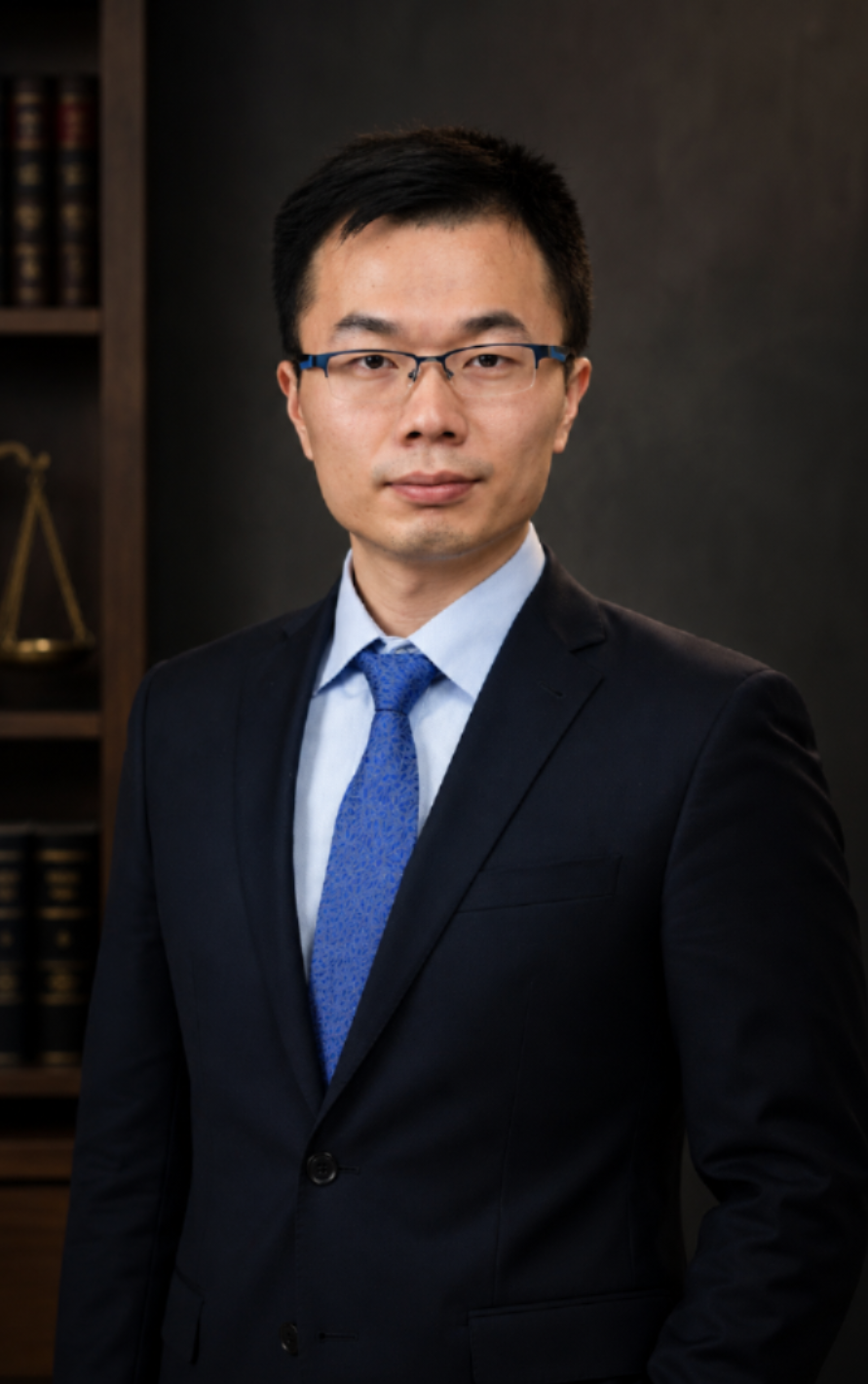
Before entering criminal defence, Zi practised law in Shanghai for more than seven years in both private practice and in-house roles. He began his legal career at Llinks Law Offices, where his practice focused on capital markets, IPOs, corporate transactions, and regulatory compliance. He later practised at Huiye Law Firm, handling financing transactions, due diligence, employment disputes, and other corporate and commercial matters, before moving in-house at a technology company. This background trained Zi to analyze complex documents, identify inconsistencies and legal risks, and approach each case systematically — discipline he now brings to criminal defence.
Criminal defence experience
Zi completed his articling and subsequently practised as an associate at an established Toronto criminal defence firm. He has worked on significant and complex criminal matters, including participation as part of a defence team in litigation connected with the Toronto Pearson Airport gold heist case, as well as a Toronto police corruption case that remains before the courts.
His criminal practice has included negotiating resolutions in numerous matters, including careless-driving resolutions and peace bonds in assault-related cases, where appropriate resolutions resulted in criminal charges being withdrawn and clients avoiding criminal convictions. Past results in individual matters are not a guarantee of future outcomes.
Practice focus
about.credentialsHeading
about.philosophyHeading
Criminal charges are not resolved by rhetoric. They are resolved by evidence — what the Crown has, what it can prove, and whether it obtained that evidence lawfully. My job is to understand the Crown's case better than the Crown does, and to identify every point where it falls short.
That means reading disclosure thoroughly before forming any strategy. It means asking whether the police had lawful grounds for the stop, the search, or the demand. It means understanding the science behind breathalyzer readings, the legal requirements for a valid warrant, and the evidentiary rules that govern what a judge can hear.
I also write and publish educational content about criminal law — specifically for newcomers and members of the Chinese community who may be encountering the Canadian justice system for the first time.
Languages
about.communityHeading
With legal education and professional experience in both Canada and China, Zi understands the additional challenges Chinese-speaking clients may face when navigating the Canadian criminal justice system.
I practise in both English and Mandarin. For clients who are more comfortable communicating in Chinese, that means no translation layer — just a direct conversation about your case, your options, and what to expect.
我提供普通话法律咨询服务。如果您或您的家人面临刑事指控,欢迎直接与我联系。
about.englishQuote
about.chineseQuote
about.valuesHeading
Honesty about your case
I will tell you what the evidence shows — not what you want to hear. That honesty is the foundation of any useful legal strategy.
Analytical rigour
Every file gets the same treatment: thorough disclosure review, systematic identification of Charter issues, and careful research before any position is taken.
Clear communication
Legal proceedings are confusing enough. I explain what is happening, why it matters, and what your options are — in plain language, in English or Mandarin.
Respect for the process
The criminal justice system has rules that protect everyone. I take those rules seriously — not as obstacles, but as the framework within which good defence work happens.